



More than 70 percent of Australians now choose cremation over traditional burial, sparking new ways to remember loved ones in harmony with nature. A memorial garden offers a gentle path for healing, turning grief into a living tribute through plants and flowers. By weaving memories into growing spaces, you create a personal sanctuary where remembrance thrives side by side with natural renewal.
Table of Contents
- Memorial Gardening: Honoring Loved Ones Naturally
- Ways to Incorporate Ashes Into Gardens
- Types of Memorial Plantings and Urns
- Emotional and Environmental Benefits Explored
- Legal Guidelines for Ashes in Gardens
- Common Pitfalls and Helpful Tips
Key Takeaways
| Point | Details |
|---|---|
| Personalized Remembrance | Creating a memorial garden allows families to design a space that reflects their loved one’s personality and celebrates life through nature. |
| Incorporation of Ashes | Integrating cremation ashes into garden soil or using biodegradable urns provides meaningful ways to create lasting memorials. |
| Emotional and Environmental Benefits | Memorial gardens foster healing by offering a reflective space while supporting local ecosystems, turning grief into growth. |
| Legal Considerations | It’s essential to obtain landowner permission and understand local regulations when scattering ashes or creating memorials. |
Memorial Gardening: Honoring Loved Ones Naturally
Memorial gardens offer a profoundly healing way to remember those we’ve lost, transforming grief into a nurturing connection with nature. According to research from the Australian Broadcasting Corporation, these spaces provide families a serene environment to honor their loved ones while integrating cremation ashes into living landscapes.
Creating a memorial garden allows families to craft a deeply personal remembrance space that celebrates life through natural growth. Whether you choose a small backyard memorial or a dedicated garden plot, these living tributes offer therapeutic benefits. By planting trees, flowers, or creating specific memorial zones, you transform loss into ongoing renewal. As research from Southern Metropolitan Cemeteries Trust indicates, these spaces provide peaceful environments for ongoing commemoration.
- Choose native plants symbolizing your loved one’s personality
- Select a quiet, contemplative location with personal significance
- Consider biodegradable urns that support plant growth
- Create seating areas for reflection and memory
The beauty of memorial gardening lies in its organic, evolving nature. Each bloom, each new leaf becomes a gentle reminder of a life cherished, a story continued through natural cycles of growth and renewal. By intertwining memories with living things, we create enduring, beautiful tributes that honor those we’ve lost while nurturing hope and healing.
Ways to Incorporate Ashes Into Gardens
Incorporating cremation ashes into gardens offers a deeply meaningful way to create lasting memorials that celebrate life and connection with nature. According to research from the Funeral Celebrants Association, there are multiple compassionate methods to integrate ashes into living landscapes that honour your loved one’s memory.
The most common approaches involve mixing ashes directly with soil or using specialized biodegradable urns designed to nurture plant growth. Research from Lonite Australia suggests families can scatter ashes over a wide garden area or use innovative urns that naturally decompose, creating a living tribute that continues to grow and evolve.
Popular methods for incorporating ashes include:
- Mixing ashes into soil around tree or plant roots
- Using biodegradable memorial urns that support plant growth
- Creating dedicated memorial garden zones
- Scattering ashes across favourite garden spaces
Each method offers a unique way to transform grief into a nurturing, living memorial. By choosing to integrate ashes into a garden, you create a dynamic, growing tribute that symbolizes continued life, remembrance, and the beautiful cycle of nature.
Types of Memorial Plantings and Urns
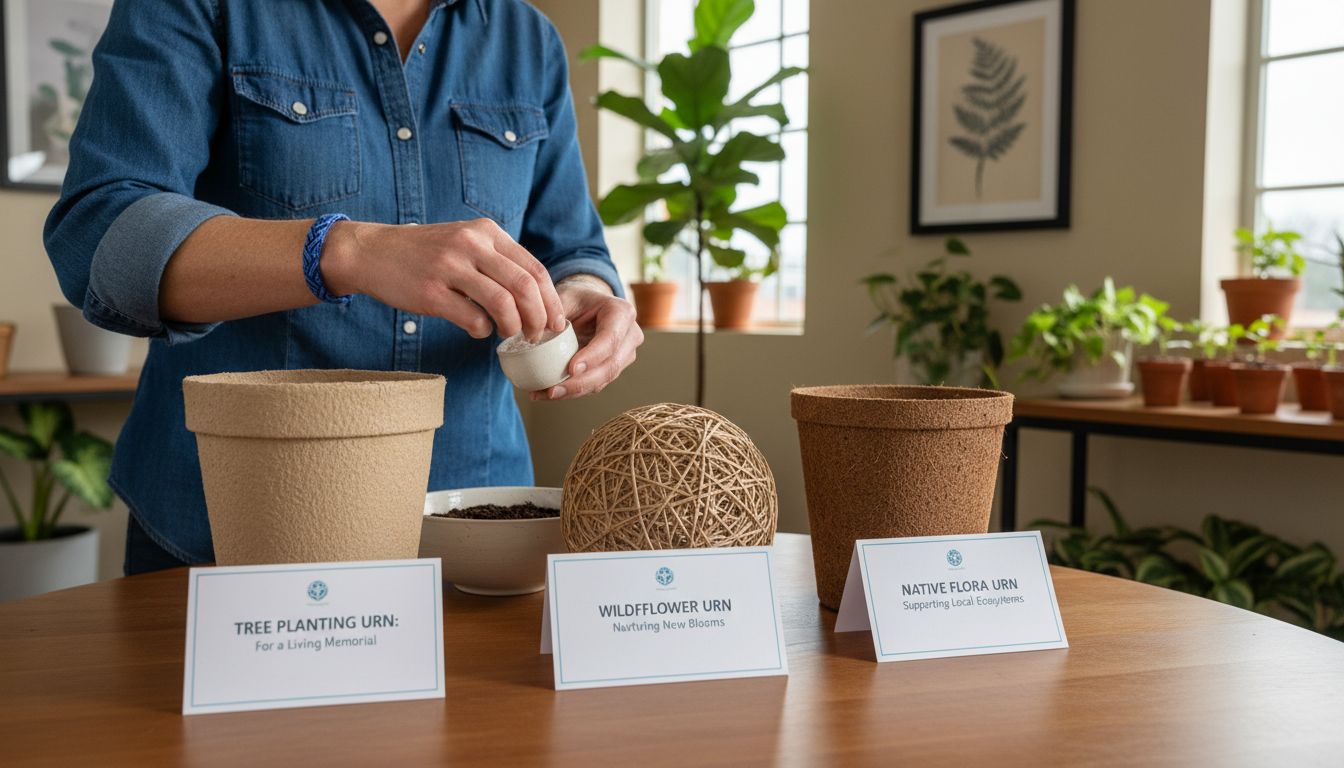
Memorial plantings offer a deeply personal and environmentally conscious way to commemorate loved ones. According to research from the Southern Metropolitan Cemeteries Trust, families can create lasting tributes through various garden memorials, such as dedicated rose gardens and meaningful tree plantings that symbolize enduring life and memory.
Biodegradable memorial urns provide an innovative approach to remembrance. Research from the Funeral Celebrants Association highlights eco-friendly options designed to support plant growth, transforming the memorial process into a nurturing, life-affirming experience. These specialized urns break down naturally, allowing ashes to nourish new life.
Common types of memorial plantings and urns include:
Here’s a comparison of common memorial garden planting types and urn options:
| Planting or Urn Type | Description | Symbolism |
|---|---|---|
| Tree planting urn | Biodegradable urn grows a memorial tree | Ongoing life Growth |
| Rose garden memorial | Dedicated rose garden with individual plants | Love Remembrance |
| Wildflower seed urn | Urn disperses wildflower seeds and ashes together | Renewal Natural beauty |
| Native plant memorial | Uses local Australian flora to honour heritage | Connection to land Legacy |
| Woodland memorial garden | Area with mixed trees and plants for reflection | Tranquillity Continuity |
- Tree planting urns that grow memorial trees
- Rose garden memorials with dedicated plant zones
- Wildflower seed urns that create colorful remembrance spaces
- Native plant memorials reflecting personal heritage
- Woodland memorial gardens with multiple planting options
Each memorial planting offers a unique way to celebrate a life, creating a living, growing tribute that continues to honor your loved one’s memory through the beauty and resilience of nature.
Emotional and Environmental Benefits Explored
Memorial gardens represent a powerful intersection of emotional healing and environmental stewardship. According to research from the Australian Broadcasting Corporation, these living memorials offer more than just a space for remembrance - they provide a tangible way to process grief while contributing positively to the natural environment.
Therapeutic landscapes create profound emotional connections for grieving families. Research from Lonite Australia highlights how incorporating ashes into gardens can be an incredibly healing process, fostering a sense of continuity and ongoing relationship with loved ones who have passed away. These spaces transform loss into a nurturing experience that supports both personal healing and ecological restoration.
Key emotional and environmental benefits include:
- Provides a dedicated space for reflection and remembrance
- Supports local ecosystem through native plant cultivation
- Creates a living, dynamic memorial that continues to grow
- Offers a constructive approach to processing grief
- Reduces carbon footprint compared to traditional memorial practices
By choosing a memorial garden, families create a powerful tribute that honors their loved one’s memory while simultaneously contributing to environmental regeneration. It’s a beautiful way to transform grief into growth, connecting personal loss with the broader cycles of life and renewal.
Legal Guidelines for Ashes in Gardens
Navigating the legal landscape of memorial gardens requires careful consideration of local regulations and property rights. According to research from the Victorian Law Reform Commission, there are no universal mandates requiring cremated remains to be disposed of in public cemeteries, but obtaining permission is crucial when scattering ashes on public or private land.
For those considering international memorial options, the Australian Border Force provides clear guidelines on importing human ashes. Containers must be free from contaminants and properly declared upon arrival, ensuring a smooth and respectful process for families wanting to create memorials across different locations.
Key legal considerations for memorial gardens include:
- Obtain landowner permission before scattering ashes
- Check local council regulations regarding ash dispersal
- Respect private property boundaries
- Ensure environmental and health guidelines are followed
- Consider potential restrictions in national parks or protected areas
While legal requirements can seem complex, most jurisdictions aim to provide families with flexible options for creating meaningful memorials. By understanding and respecting local guidelines, you can create a beautiful, legally compliant tribute that honors your loved one’s memory.
Common Pitfalls and Helpful Tips
Creating a memorial garden can be an emotionally complex process with potential challenges that families might not anticipate. According to research from the Australian Broadcasting Corporation, being mindful of environmental impact and obtaining necessary permissions are critical first steps in avoiding potential legal and emotional complications.
The Funeral Celebrants Association emphasizes the importance of careful planning, particularly considering factors like wind direction and local regulations when scattering ashes. Thoughtful preparation can transform what could be a stressful experience into a meaningful, healing moment.
Common pitfalls to avoid include:
- Scattering ashes without landowner permission
- Choosing locations with strict environmental restrictions
- Overlooking wind conditions during ash scattering
- Failing to research local legal requirements
- Rushing the memorial process without emotional preparation
Remember, a memorial garden is a personal journey of remembrance. By approaching the process with sensitivity, research, and respect, you can create a beautiful, lasting tribute that honors your loved one’s memory while providing yourself a peaceful space for healing and reflection.
Create a Living Tribute with Affordable Cremation Services
Memorial gardens offer a profoundly natural and healing way to remember your loved ones while supporting emotional restoration and environmental renewal. If you are looking for a simple, transparent, and cost-effective cremation option to complement your plans for a memorial garden, Best Price Cremations Perth specialises in straightforward direct cremation services tailored for families in need of compassionate support.

Take the first step towards honouring your loved one with dignity and simplicity. Explore how our affordable cremation packages can help you focus on creating meaningful memorial plantings or ashes-to-earth options without added stress or unnecessary extras. Visit Best Price Cremations Perth today to request a callback or learn more about our no-fuss approach to cremation. Your heartfelt tribute begins here.
Frequently Asked Questions
What is a memorial garden?
A memorial garden is a dedicated space created to honor and remember loved ones who have passed away. These gardens often incorporate elements of nature, such as plants and flowers, and can serve as a therapeutic environment for reflection and healing.
How can I incorporate cremation ashes into a memorial garden?
You can incorporate cremation ashes by mixing them with soil, using biodegradable urns designed for planting, or scattering them in designated areas of the garden. Each method creates a living tribute that nurtures ongoing growth and remembrance.
What types of plants are suitable for a memorial garden?
Choosing native plants that symbolize your loved one’s personality can create a meaningful memorial garden. Options may include trees, flowers, and even wildflower seeds, all of which enhance the garden’s connection to nature and legacy.
Are there legal considerations when creating a memorial garden?
Yes, it’s essential to obtain permission from landowners before scattering ashes and to check local regulations regarding ash dispersal. Understanding these legal aspects ensures your memorial is respectful and compliant with guidelines.
Recommended
- What Is a Cremation Urn? Complete Perth Guide - Best Price Cremations Perth
- Simple Cremation Planning Guide: Perth’s Affordable Option - Best Price Cremations Perth
- 6 Types of Cremation Services for Perth Families Explained - Best Price Cremations Perth
- Affordable Cremation Services Landsdale - Best Price Cremations Perth