



More than half of families choose memorial services instead of traditional funerals, seeking a way to honor their loved ones in a meaningful and personal way. Grief brings its own set of challenges and questions, especially when standard rituals do not fit every story or circumstance. Understanding what makes a memorial service unique can help families create a gathering that truly reflects a life well-lived while offering comfort and closure for everyone involved.
Table of Contents
- What Is A Memorial Service
- Types And Purpose Of Memorial Services
- How Memorial Services Are Conducted
- Legal And Practical Requirements In Australia
- Costs, Timing And Planning Options
- Alternatives And Personalisation Ideas
Key Takeaways
| Point | Details |
|---|---|
| Memorial Service Definition | A memorial service honors a deceased loved one without the body present, allowing for personalized tributes. |
| Types of Memorial Services | Memorial services can vary from formal gatherings to informal celebrations, accommodating distinct family preferences. |
| Key Elements | Services typically include personal tributes, music, photographs, and shared memories to support collective mourning. |
| Planning Considerations | Families must consider legal requirements, costs, and personalizations while planning the service to ensure it reflects the individual’s legacy. |
What Is A Memorial Service
A memorial service is a meaningful gathering designed to honor and remember a loved one after their burial or cremation. Unlike traditional funeral services, memorial services offer remarkable flexibility in how families choose to commemorate their loved one’s life and legacy. According to funeralcelebrants, these ceremonies can be held for various reasons, such as accommodating distant family members or respecting the deceased’s personal wishes.
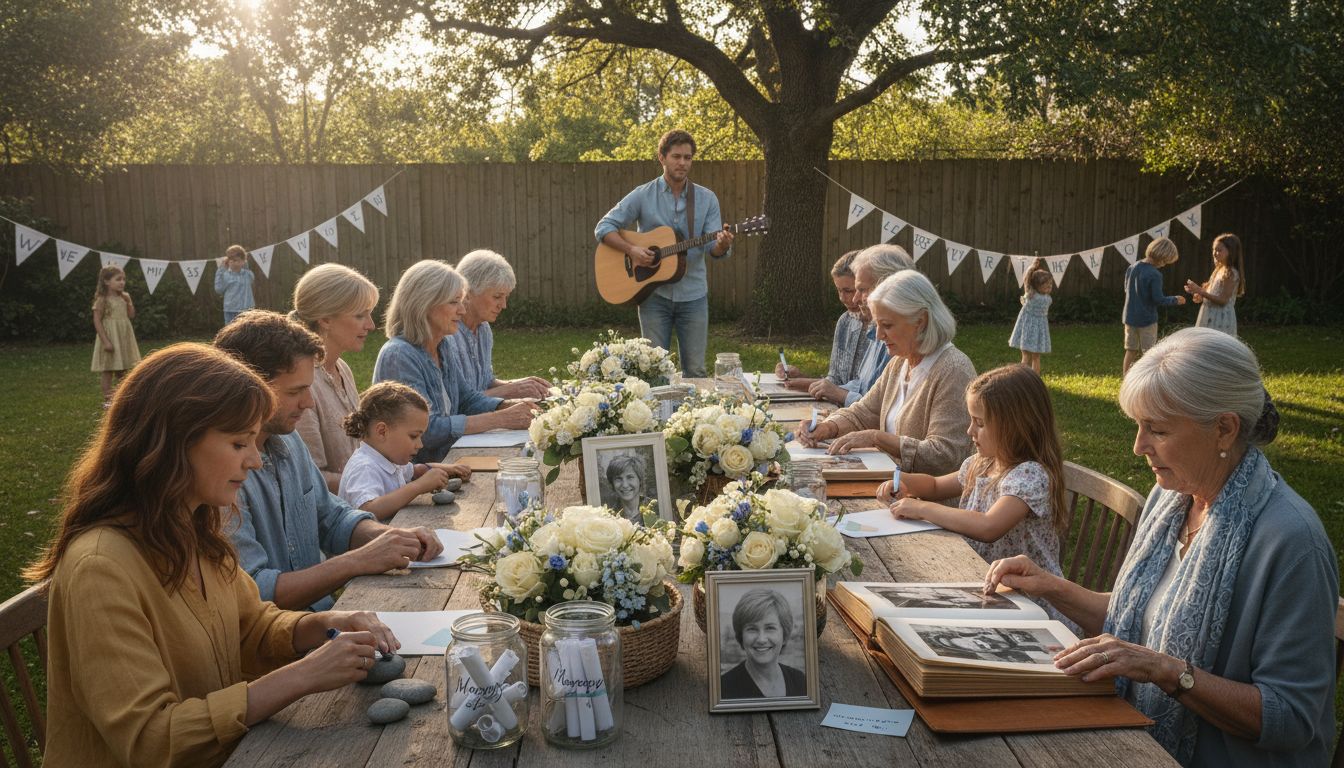
Typically, memorial services differ from traditional funerals in one significant aspect: they are conducted without the physical presence of the deceased’s body. As nsw.gov.au explains, these gatherings can occur in diverse settings like family homes, community halls, gardens, or other meaningful locations. This adaptability allows families to create a personalised tribute that genuinely reflects the individual’s life, personality, and unique journey.
Key characteristics of memorial services often include:
- Personalised storytelling and shared memories
- Musical tributes or favourite songs
- Display of photographs or meaningful mementos
- Cultural or religious rituals
- Sharing of food and communal support
The primary purpose of a memorial service is to provide a supportive environment where grieving family members and friends can come together, share their emotions, celebrate a life lived, and begin the healing process. By focusing on remembrance and connection, these services help transform grief into a meaningful opportunity for collective mourning and mutual support.
Types And Purpose Of Memorial Services
Memorial services are deeply personal ceremonies that offer families diverse ways to honor and remember their loved ones. According to funeralcelebrants, these services can range from formal, structured events to intimate, informal gatherings, each designed to celebrate the unique life and character of the deceased.
These ceremonies typically fall into several distinctive categories:
- Traditional Memorial Services: Structured events often held in funeral homes or places of worship
- Celebration of Life: More informal gatherings focusing on positive memories and personal achievements
- Anniversary Memorials: Commemorative events held on significant dates like birthdays or death anniversaries
- Themed Memorials: Personalised events reflecting the individual’s passions, such as a music tribute for a musician or a nature-themed gathering for an outdoor enthusiast
The fundamental purpose of memorial services transcends simple remembrance. These gatherings serve critical emotional and psychological functions for grieving families and friends. funeralcelebrants highlights that memorial services provide a structured opportunity for collective mourning, helping participants process grief, share memories, and begin the healing journey. By creating a supportive environment that celebrates an individual’s life story, these services transform potential sorrow into a meaningful, connecting experience that honors the deceased’s legacy.

How Memorial Services Are Conducted
Conducting a memorial service requires thoughtful planning and a personalized approach that honors the deceased’s unique life and legacy. According to nsw.gov.au, these services can be held in various locations and are designed to accommodate the family’s preferences and cultural practices.
The typical structure of a memorial service often includes several key elements:
- Welcoming Remarks: An introduction by a family member or designated speaker
- Personal Tributes: Sharing of memories, stories, and personal reflections
- Musical Selections: Songs or musical pieces meaningful to the deceased
- Photo or Video Presentations: Visual memories capturing the person’s life
- Closing Remarks: A final tribute or moment of reflection
funeralcelebrants emphasizes that the format of a memorial service is incredibly flexible. Families can incorporate unique elements that truly reflect the individual’s personality, such as displaying their hobbies, playing their favorite music, or creating a themed event that captures their essence. This might mean a garden gathering for a nature lover, a musical tribute for an artist, or a casual backyard celebration for someone who loved informal gatherings.
Practical considerations for conducting a memorial service include selecting an appropriate venue, determining the guest list, choosing speakers, and planning any special tributes or rituals. The timing can be immediate or delayed, allowing distant family members to travel and participate. The ultimate goal is to create a meaningful, supportive environment where loved ones can come together, share their grief, celebrate memories, and begin the healing process.
Legal And Practical Requirements In Australia
Navigating the legal and practical aspects of memorial services in Australia requires careful attention to several important considerations. According to nsw.gov.au, while there is no strict legal mandate to hold a memorial service, families must still ensure proper arrangements for the deceased’s final disposition.
Key legal and practical requirements include:
- Death Registration: Officially registering the death with local authorities
- Obtaining Death Certificates: Securing multiple copies for legal and administrative purposes
- Notification of Relevant Agencies: Informing government departments, banks, and other institutions
- Executor Responsibilities: Ensuring the deceased’s wishes are respected and legal obligations are met
- Potential Probate Requirements: Managing the deceased’s estate according to legal guidelines
health.qld.gov.au emphasizes the importance of open communication among family members during this process. Potential legal challenges can arise when family members disagree about service arrangements, memorial details, or estate management. In such cases, seeking legal advice may become necessary to resolve disputes and ensure a respectful, legally compliant approach to honoring the deceased.
Practical considerations extend beyond legal formalities. Families must navigate complex emotional terrain while managing logistical challenges. This includes coordinating with funeral directors, selecting appropriate venues, managing financial aspects of the memorial service, and addressing any cultural or religious specific requirements. The goal is to create a meaningful tribute that respects both the legal framework and the personal wishes of the deceased and their loved ones.
Costs, Timing And Planning Options
Planning a memorial service involves careful consideration of timing, logistics, and budget. According to nsw.gov.au, memorial services offer remarkable flexibility in location and planning, allowing families to create a truly personalized tribute that fits their unique circumstances and financial constraints.
Typical cost considerations for memorial services include:
- Venue Rental: Ranging from free (home settings) to $500-$1500 for professional spaces
- Catering: Simple refreshments or full meals, typically $10-$50 per person
- Audio-Visual Equipment: Slideshow or music system rental, approximately $100-$300
- Printed Materials: Memorial programs or photo tributes, $50-$200
- Professional Celebrant: Optional service, usually $200-$500
Flexibility is key when planning memorial services. Families can choose from various timing options: immediate services within days of passing, delayed gatherings to accommodate traveling relatives, or annual commemorative events. Some choose to hold multiple smaller gatherings instead of one large service, spreading both emotional and financial commitments. The total cost can range from virtually nothing for a home-based gathering to several thousand dollars for more elaborate tributes, with most families spending between $500-$2000 on a meaningful memorial service.
Alternatives And Personalisation Ideas
Memorial services offer extraordinary opportunities for creative remembrance and personalization. According to funeralcelebrants, these ceremonies can be uniquely tailored to reflect the individual’s passions, personality, and life experiences, transforming a traditional memorial into a meaningful celebration of their journey.
Innovative personalization options include:
- Theme-Based Tributes: Creating events that represent the deceased’s hobbies or career
- Interactive Memory Stations: Displaying photographs, personal artifacts, or achievement timelines
- Charitable Contribution Alternatives: Donating to meaningful causes in lieu of traditional memorials
- Digital Memorials: Online platforms for sharing memories and stories
- Nature-Based Commemorations: Planting trees, releasing butterflies, or creating memorial gardens
Families can explore unconventional approaches to memorialization that move beyond traditional gatherings. This might involve organizing activities the deceased loved, such as a musical performance for an artist, a sporting event for an athlete, or a nature walk for an outdoor enthusiast. The goal is to create a deeply personal experience that captures the essence of the individual’s life, allowing loved ones to connect, remember, and celebrate in a way that feels authentic and healing.
Simplify Memorial Planning with Affordable Cremation Solutions
Losing a loved one brings many difficult decisions especially when arranging a memorial service that truly honours their life while managing costs and logistics. This article highlights important aspects such as creating personalised tributes, timing flexibility, and legal considerations that families face during these emotional times. You want a respectful and meaningful way to commemorate without added stress or financial burden.
At Best Price Cremations Perth, we understand these challenges and offer compassionate, straightforward direct cremation services that remove unnecessary extras but still allow you to focus on celebrating your loved one in your own way. Our local, family-owned team provides clear pricing, 24/7 support, and a simple process that fits perfectly alongside a memorial service customised to your needs. Learn more about our affordable cremation packages and how choosing an uncomplicated cremation option can give you the time and peace of mind to plan a memorable service on your terms.
Ready to start? Visit Best Price Cremations Perth today to explore your options or reach out for friendly assistance in creating a dignified farewell that honours your loved one without hidden costs or pressure.
Frequently Asked Questions
What is a memorial service?
A memorial service is a gathering held to honor and remember a loved one after their burial or cremation, often taking place without the physical presence of the deceased’s body.
What are the different types of memorial services?
Memorial services can vary widely, including traditional memorial services, celebrations of life, anniversary memorials, and themed memorials that reflect the deceased’s passions and personality.
How are memorial services usually conducted?
Memorial services often include welcoming remarks, personal tributes, musical selections, photo or video presentations, and closing remarks, allowing families to create a unique and personalized tribute.
What are some key considerations when planning a memorial service?
When planning a memorial service, important considerations include choosing a venue, determining the guest list, planning tributes or rituals, and managing legal requirements such as death registration and obtaining death certificates.
Recommended
- Ashes to Earth: Complete Guide to Memorial Gardens - Best Price Cremations Perth
- What Is a Cremation Urn? Complete Perth Guide - Best Price Cremations Perth
- Simple Cremation Planning Guide: Perth’s Affordable Option - Best Price Cremations Perth
- 7 Low-Cost Funeral Alternatives in Perth for Families - Best Price Cremations Perth